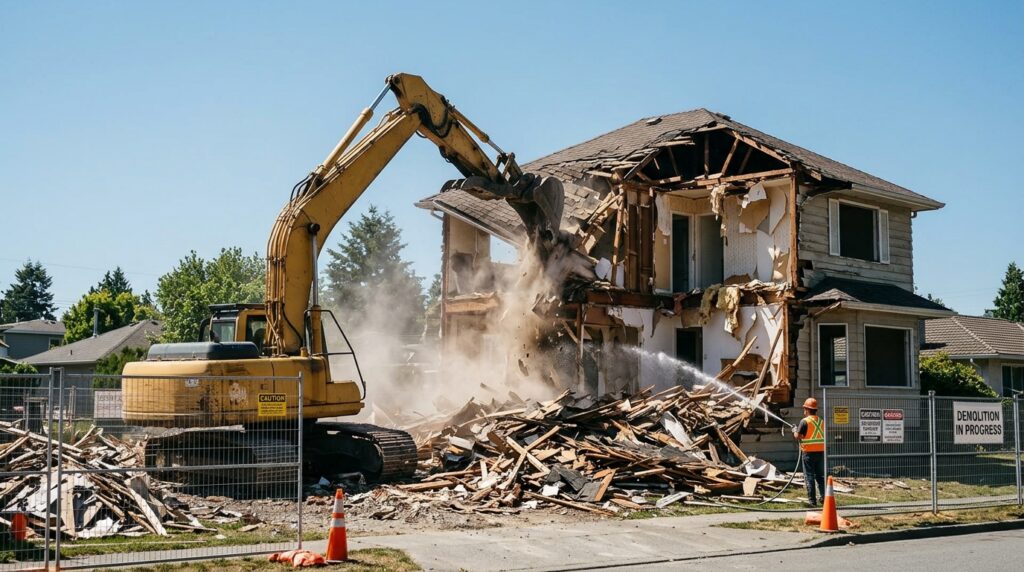
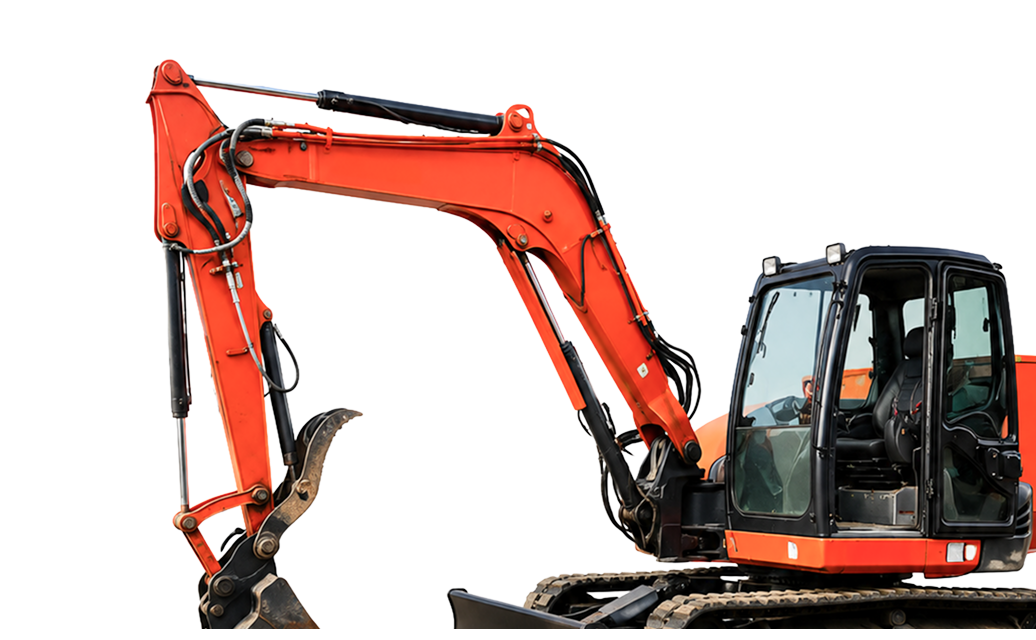
Quick answer: The best time to remove an old barn, shed, or detached garage in Middle Tennessee is usually fall, before winter rain softens the ground under heavy equipment. October has the lowest normal rainfall of any month in Nashville, according to the National Weather Service. Before work starts, check the building for asbestos, confirm whether your city or county needs a permit, file the state demolition notice where it applies, disconnect any power or water to the structure, and contact Tennessee 811 before the slab or footings are dug out.
Old outbuildings are easy to ignore until they lean, leak, or block a new project. A sagging barn in Leiper’s Fork, a rotted shed behind a Columbia home, or a detached garage in the way of a Spring Hill addition all end up in the same place: they need to come down in a controlled way. Structure removal is one of our core services, and this guide covers what owners should know before the equipment arrives.
Why Fall Is a Good Window for Outbuilding Removal
Rain matters more than cold for demolition in our area. Excavators, skid steers, and dump trucks are heavy, and a soaked field or yard turns into ruts quickly. The National Weather Service Nashville office lists normal October precipitation at 3.36 inches, the lowest monthly figure in its 1991 to 2020 normals. November rises to 3.86 inches and December to 4.43 inches, and the wet pattern continues through spring, with March at 4.52 inches.
This year the outlook points the same way. The Climate Prediction Center’s seasonal outlook discussion, issued September 17, 2026, describes a strengthening El Niño with a greater than 90 percent chance of a very strong event this fall and winter, and it favors above-normal precipitation for much of the Mississippi and Tennessee Valleys from October through December. An outlook is a shift in the odds, not a forecast for any given week, but it is a good reason not to wait until January.
Frozen ground is rarely the problem here. The same NWS records show Nashville averages about 1 night at or below freezing in October and 8 in November. The practical risk is mud, which can slow access, damage lawns and driveways, and make hauling harder.
Start With What the Structure Is Made Of
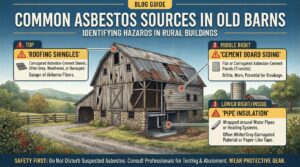
Barns, sheds and garages were often built with whatever materials were common at the time. The EPA’s Learn About Asbestos page lists roofing and siding shingles, asbestos cement products, and walls and floors around wood burning stoves protected with asbestos paper, millboard or cement sheets among the places asbestos can be found. It also notes that fibers can be released when these materials are disturbed during demolition.
That does not mean every old barn contains asbestos. It means you should not guess. If an outbuilding has cement board siding, old shingles, a wood stove area or pipe insulation, have it inspected before anyone starts tearing into it. An inspection also gives your contractor the information needed to plan safe removal and disposal.
Permits and the State Demolition Notice
Permit rules for small structures vary by city and county. The City of Spring Hill says permits are required when an owner or agent intends to construct, alter, move or demolish a building or structure, and it lists outdoor sheds among its examples. Columbia lists demolition among its structure permits. Rural properties fall under the county, so call before you set a date.
At the state level, the Tennessee Department of Environment and Conservation’s demolition notification form says notice is required for all demolition projects, even when no asbestos is present, at least 10 working days before work begins. The federal rule behind it excludes residential buildings with four or fewer dwelling units. A barn, farm shop, or commercial storage building is not a dwelling, so plan on the notice unless TDEC tells you otherwise. For a shed or detached garage on a home lot, ask TDEC’s Division of Air Pollution Control how the rule applies to your property before you schedule.
Power, Water and Buried Lines
Many outbuildings have more utilities than owners remember. A barn may have a power feed, a hydrant, or a line to a stock tank. A garage may have a buried electrical circuit from the house. Before demolition, shut off and disconnect every service to the building and have a qualified electrician or plumber cap anything that stays live elsewhere on the property.
If the job includes removing a slab, footings or posts, that is excavation. Tennessee 811 says state law requires at least three full business days of notice before excavation, and it specifically lists demolition among the covered activities. Remember that 811 only notifies member utilities. Private lines you installed yourself, such as the feed to a shop or the water line to a barn, will not be marked, so walk the site with your contractor and point them out.
What Happens to the Slab, Footings and Foundation
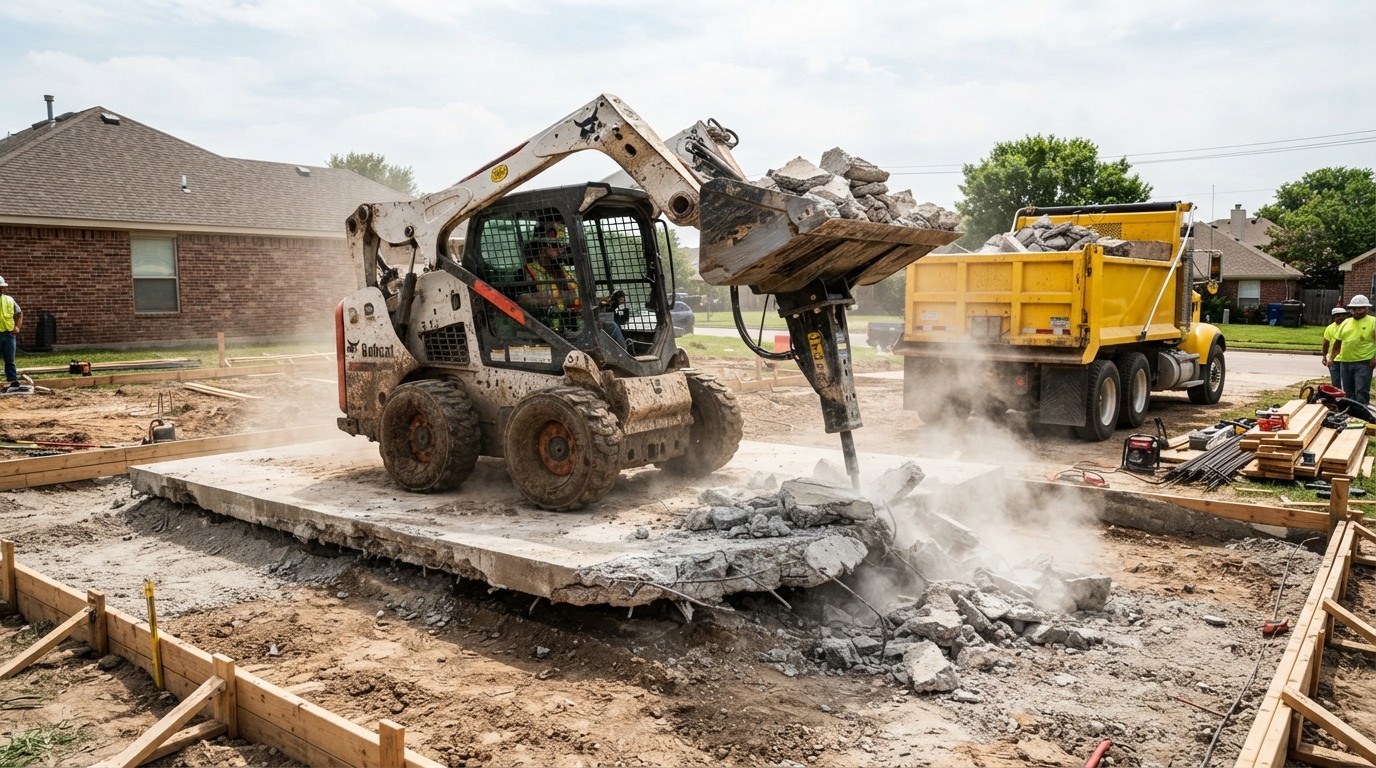
Decide early whether the concrete stays or goes. Some owners keep a garage slab as a pad for a new building or parking. Others want everything removed so the area can be graded and seeded. Breaking out a slab takes different equipment than taking down a wood frame building, so it affects the estimate. Our post on concrete removal explains when professional removal makes sense.
Old barns often sit on piers, posts, or rubble foundations rather than a poured slab. Those still need to come out if you plan to build or farm the ground. If the goal is a new home site or a larger project, pairing the teardown with site clearing handles brush, trees, and grading in the same visit.
Salvage, Debris and Hauling
Before demolition day, walk the building and pull anything you want to keep: tools, equipment, hardware, doors, windows, or reclaimed boards and beams. Anything left inside becomes debris. Metal roofing, wood, concrete, and general debris are handled differently, so tell your contractor about any large equipment or stored materials in advance.
On our Franklin residential home demolition project, the work included heavy equipment access, controlled breakdown of the structure, debris loading for hauling, and final cleanup. Outbuilding jobs follow the same pattern on a smaller scale, and the site is left clear for the next step.
Attached Garages and Partial Removal
An attached garage is a different job from a freestanding shed. Removing it means cutting it away from the house without damaging the structure that stays, then closing up the exposed wall. That usually involves a building permit and careful planning around rooflines, framing, and utilities. If you are removing part of a structure, talk through the scope in detail during the estimate. Our residential demolition page describes both complete and selective removal.
A Fall Checklist for Removing an Outbuilding
- Empty the building and set aside anything you want to salvage.
- Look for suspect materials such as cement board siding, old shingles or pipe insulation, and arrange an inspection.
- Call your city or county building office about permits.
- File the TDEC demolition notice at least 10 working days ahead where it applies.
- Disconnect power and water to the structure and cap lines that stay in service.
- Contact Tennessee 811 at least three working days before any digging, and mark private lines yourself.
- Decide what happens to the slab, footings, and surrounding ground.
- Schedule the work during a dry stretch, ideally before the wetter months of winter.
Frequently Asked Questions
When is the best time of year to tear down a barn in Middle Tennessee?
Fall is often the best window. October has the lowest normal precipitation of any month at Nashville, and drier ground makes it easier to bring in heavy equipment without rutting fields, yards or driveways.
Do I need a permit to remove a shed or garage?
It depends on where the property is. Spring Hill requires permits to demolish a building or structure and lists sheds among its examples, and Columbia lists demolition permits on its portal. Outside city limits, check with the county building office.
Does Tennessee require notice before demolishing a barn?
The TDEC form says notice is required for all demolition projects, even without asbestos, at least 10 working days before work begins. A barn is not a dwelling, so plan on filing unless TDEC advises otherwise.
Could my old barn or shed contain asbestos?
It could. EPA lists roofing and siding shingles, asbestos cement products, and stove protection materials among common sources. Have suspect materials inspected before demolition instead of guessing.
Do I need to call 811 to remove a shed?
If you are removing a slab, footings or posts, or doing any digging, yes. Tennessee law requires at least three full business days of notice, and Tennessee 811 lists demolition as excavation.
Will the concrete slab be removed too?
Only if you want it removed. Some owners keep the slab for a future building or parking pad. Tell your contractor early, because slab removal affects equipment, time, and the estimate.
Can I keep lumber or metal from my old barn?
Yes, as long as you remove it or agree on it with your contractor before work starts. Anything left in the structure on demolition day is usually treated as debris.
Get an Estimate for Your Barn, Shed or Garage Removal
Demolition INC removes old outbuildings, garages and sheds across Columbia, Franklin, Spring Hill, Mount Pleasant, Lewisburg, Pulaski, Hohenwald, and the towns in between. Call +1 (615) 290 2029 or send photos and details through our contact page to request a free estimate. You can also see examples of our work on the projects page.